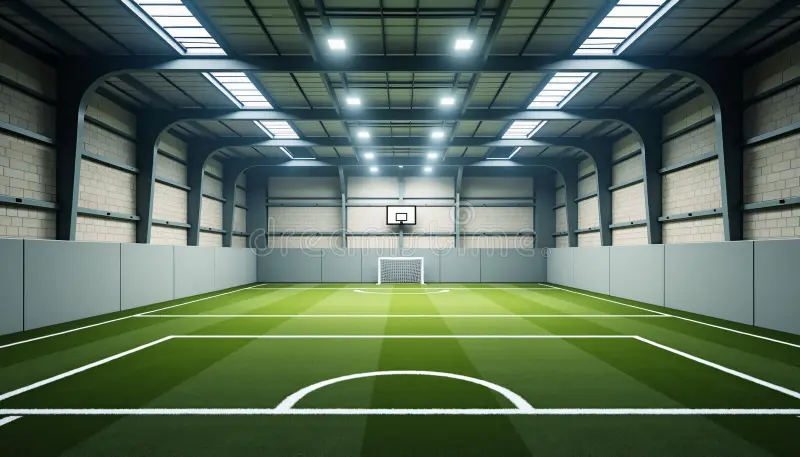
Cold-climate athletic facilities encounter persistent operational disruptions when winter weather transforms natural grass playing surfaces into frozen, dangerous terrain that suspends sports programming. The methodology increasingly embraced by athletic organizations, educational institutions, and training centers involves cutting-edge synthetic turf technology specifically engineered to maintain performance standards during severe temperature conditions while providing consistent field access year-round.
Athletic programs in northern territories have confirmed that AstroTurf surfaces represent vital infrastructure investments for organizations where conventional grass fields become inactive or entirely unusable during prolonged winter seasons. From professional training installations to community athletic venues, these synthetic playing areas enable continuous athlete development, skill advancement, and competitive activities irrespective of outdoor temperature conditions or weather events.
Ultraviolet Protection Influences Material Engineering
The absence of natural ultraviolet exposure in indoor environments significantly influences material selection protocols for AstroTurf installations. Manufacturers adjust fiber compositions and infill recommendations to accommodate specific indoor operational requirements where UV degradation concerns are eliminated. This controlled environment enables optimized material performance characteristics while creating different engineering considerations compared to outdoor installations.
Indoor facilities experience more concentrated wear patterns due to smaller field dimensions and continuous usage throughout daily operations. The elimination of weather variables creates opportunities for specialized material optimization that outdoor surfaces cannot achieve due to UV exposure and precipitation challenges.
Manufacturing specifications for indoor applications emphasize enhanced face weights, measured in ounces per square yard, designed to withstand intensive utilization patterns characteristic of enclosed facilities operating throughout extended winter periods when outdoor fields remain unusable.
Seasonal Usage Limitations Drive Synthetic Adoption
Natural grass installations in cold-weather regions typically accommodate only 200-300 hours of annual usage before requiring extensive renovation procedures, while AstroTurf alternatives support over 3,000 hours without experiencing notable performance degradation. This utilization capacity differential fundamentally transforms athletic programming possibilities for facilities in territories experiencing abbreviated outdoor seasons.
The dramatic difference in available usage hours enables facilities to maintain intensive training schedules throughout the winter months when peer institutions face weather-related limitations. Educational institutions increasingly recognize that indoor synthetic turf installations provide competitive advantages for their athletic programs during extended cold-weather periods.
Revenue enhancement opportunities multiply when facilities offer dependable, schedulable playing surfaces independent of meteorological conditions. Youth athletic organizations, adult recreational programs, and specialized training academies actively seek reliable venues that eliminate session cancellations caused by frozen or muddy field conditions throughout the harsh winter months.
Freeze-Thaw Cycle Management Eliminates Maintenance Complexity
Labor investments associated with year-round grass maintenance, including specialized expertise required to manage dormant turf through repeated freeze-thaw cycles, represent substantial operational savings for facility administrators choosing AstroTurf installations. Traditional grass fields require complex management strategies to survive winter conditions, while synthetic surfaces eliminate these challenges.
Winter-specific maintenance expenses disappear completely with synthetic installations. Natural grass fields demand specialized heating systems, protective field covers, and emergency snow removal procedures for event preparation—costs that vanish when facilities implement artificial turf solutions.
The permeability rates of quality synthetic turf exceed those found in compacted natural grass installations, ensuring efficient drainage of melting snow and ice rather than creating standing water pools that refreeze during overnight temperature drops. This superior drainage capability proves particularly valuable during freeze-thaw cycles characteristic of northern climates.
Static Electricity Control Enhances Winter Operations
Anti-static technology integration proves especially beneficial during cold, dry conditions when static electricity buildup can affect playing conditions and athlete comfort levels. Modern AstroTurf systems incorporate specialized additives that reduce static generation, addressing operational challenges in multi-purpose athletic facilities serving diverse participant populations during extended winter periods.
Contemporary fiber compositions feature advanced co-polymers specifically developed to maintain flexibility at low temperatures while preventing brittleness that affected earlier synthetic turf generations during freezing exposure. These technological advances combine nylon structural durability with polyethylene tactile characteristics, producing surfaces that deliver consistent performance throughout significant temperature variations.
The controlled climate within indoor facilities eliminates extreme temperature swings that outdoor surfaces must accommodate, enabling consistent performance characteristics that support uninterrupted athletic programming throughout the winter months when natural grass fields remain completely inaccessible for sports activities.